Lab-Grown Diamond Wholesale Prices Per Carat: What Drives Them
India's lab-grown exports averaged about US$60 a carat in 2025-26, yet a certified two-carat stone costs many times that. How wholesale per-carat prices really work, and how to compare quotes.
Wholesale lab-grown diamonds are quoted per carat, but that single number hides a lot. In 2025-26 India exported 18.8 million carats of polished lab-grown diamonds worth about US$1.13 billion, according to GJEPC: on average about US$60 a carat. Yet a certified two-carat oval can cost many times that per carat. Understanding why is the key to comparing quotes fairly and building a profitable range.
Price per carat versus price per stone
A quote of "$X per carat" is multiplied by the weight. A 1.50 ct stone at $400 per carat costs $600; a 10-carat parcel of melee at $150 per carat costs $1,500. Always check which one you are being quoted, and whether reports, shipping and insurance are included.
Why the average hides so much
Most of the carats India exports are melee and commercial goods, which pull the average down. At the other end, larger certified stones in top grades carry a far higher price per carat. The average is useful as a market signal, telling you that prices have fallen as volumes rose for four years running, but not as a price for any particular stone. See our export figures for the full series.
The factors, one by one
Size band and weight thresholds
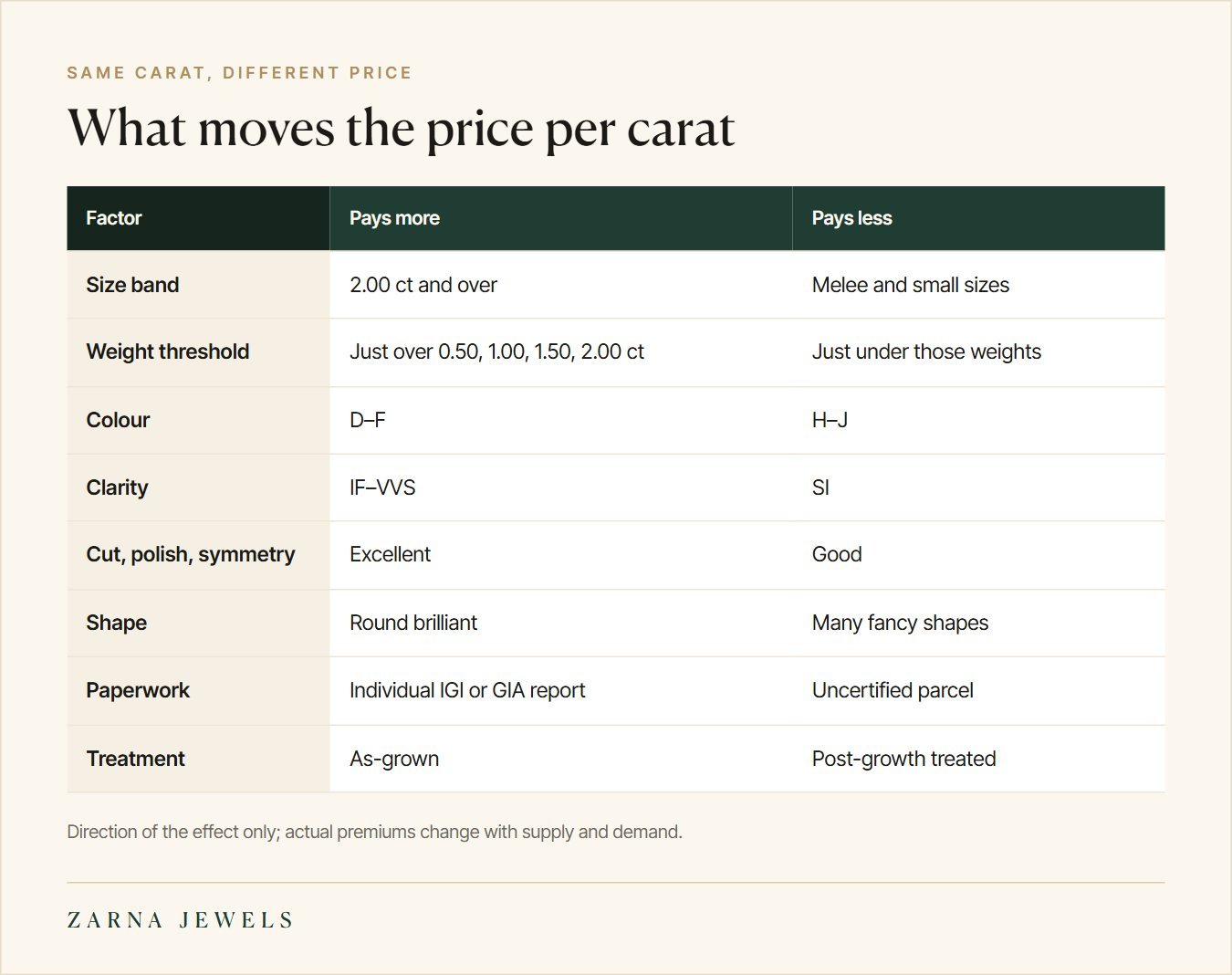
Price per carat rises with size: a 2-carat stone costs more per carat than two 1-carat stones of the same grade. Prices also jump at popular weights, so a 1.00 ct stone costs noticeably more than a 0.95 ct stone that looks almost the same. Buying just under a threshold is one of the oldest ways to get value.
Colour, clarity and cut
D–F colour costs more than G–H, which costs more than I–J; VVS more than VS, VS more than SI. Cut matters most to the eye: an Excellent cut costs more than Very Good and is usually worth it.
Shape
Rounds generally cost more per carat than fancy shapes, because more rough is lost when cutting a round brilliant.
Reports and treatment
Stones with individual IGI or GIA reports carry the grading cost. As-grown stones may be priced differently from stones whose colour was improved after growth; our note on as-grown and treated stones explains the difference.
How to compare quotes like for like
- Same size band, colour, clarity, cut grade and shape.
- Same paperwork: individual reports, or uncertified parcels.
- Same terms: grading fees, shipping and insurance included or not.
- Payment terms, memo or return options and minimum order sizes.
- Quote validity: lab-grown prices move, so ask for a date.
What falling prices mean for your range
Bigger centre stones
One- and two-carat stones become realistic at mainstream retail prices.
Better grades
D–F and VVS–VS can anchor a premium line without premium risk.
Fuller designs
Tennis bracelets, eternity bands and clusters move into everyday price points.
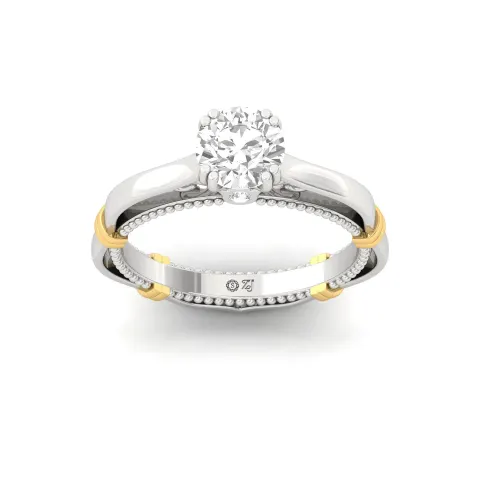
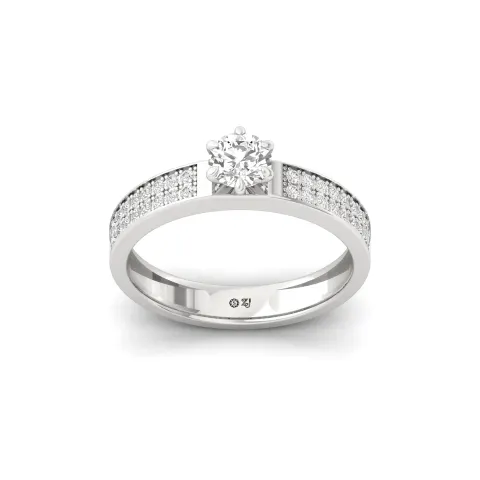
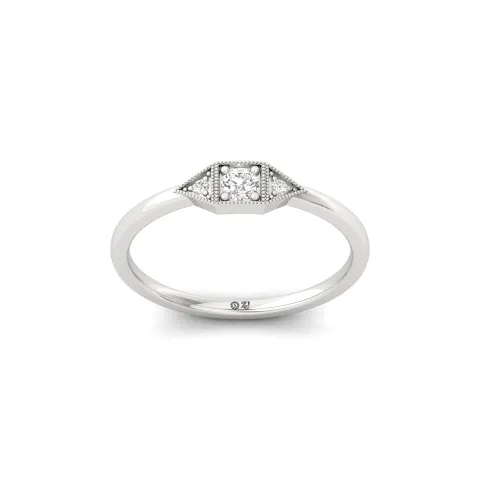
Round solitaires from our workshop
Live prices
Registered trade buyers can see live prices for our loose CVD stones, filter by size, grade and report, and hold stones for 24 hours on Zarna B2B. For parcels and special sizes, send us your specification.
How much does a lab-grown diamond cost per carat wholesale?
It ranges widely, from low prices for melee parcels to many times more for large certified stones in top grades. India's 2025-26 exports averaged about US$60 a carat across all sizes.
Why are round lab-grown diamonds more expensive per carat?
Cutting a round brilliant loses more of the rough crystal than most fancy shapes.
Will lab-grown wholesale prices keep falling?
They have for several years as capacity grew. Nobody can promise the future, so price stock on today's replacement cost.