
61% of Engagement Rings Are Now Lab-Grown: What The Knot's 2026 Study Shows
Lab-grown diamonds were chosen for 61% of engagement ring center stones in The Knot's latest study, up from 52% a year earlier. The numbers on spend, size and shape, and what they mean.

The Knot's 2026 Jewelry & Engagement Study, based on responses from more than 10,000 couples, confirms what jewelers have been seeing for a while: lab-grown diamonds are now the majority choice for engagement rings in the USA. Here are the key numbers and what they mean.

The headline: 61% lab-grown
According to the study, 61% of couples chose a lab-grown center stone, up from 52% the year before, when lab-grown first overtook natural. Since 2020, the lab-grown share has risen dramatically. Around 40% of couples said it was specifically important to them that their stone was lab-grown.
Bigger stones, lower spend
| Lab-grown | Natural | |
|---|---|---|
| Average center stone | 2.0 ct | 1.6 ct |
| Average ring spend | $4,300 (down from $4,900) | $7,000 (down from $7,600) |
| Most popular shape | Oval | Round |
Couples choosing lab-grown are buying larger stones for less money, and favoring ovals; natural buyers still lean toward the classic round.
What it means
Lab-grown is mainstream
It is no longer an alternative; for many couples it is the default.
Size expectations are rising
With lower prices per carat, two carats has become a typical lab-grown choice.
Natural is repositioning
Natural diamonds are increasingly sold on rarity and origin rather than size.
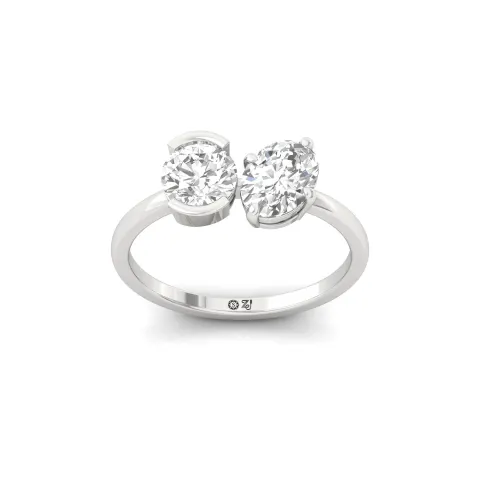
The shape of 2026: ovals


What percentage of engagement rings are lab-grown?
According to The Knot's 2026 study, 61% of engagement ring center stones were lab-grown.
How much do couples spend on a lab-grown engagement ring?
The study reported an average of $4,300 for lab-grown rings, compared with $7,000 for natural.
What is the most popular lab-grown engagement ring shape?
Oval, according to the study; round remains the top choice for natural diamonds.


