
How to Choose the Right Gold for Your Jewellery: 9K, 14K and 18K Explained
Choosing the right gold purity affects the appearance, durability, price and everyday wear of your jewellery. Learn the practical differences between 9K, 14K and 18K gold and discover which option may suit your lifestyle.
Introduction
Gold jewellery is loved for its timeless appearance, versatility and lasting appeal. Whether you are choosing an engagement ring, wedding ring, necklace, bracelet or pair of earrings, one of the most important decisions is the type of gold used to make the piece.
When shopping for gold jewellery, you will commonly see terms such as 9K, 14K and 18K. These numbers refer to gold purity, and each option offers a different balance of gold content, durability, colour and price.
Understanding these differences can help you choose jewellery that matches your style, budget and everyday lifestyle.
What Does Gold Karat Mean?
Gold karat, written as K, indicates the proportion of pure gold in an alloy. Pure gold is 24K, but jewellery is generally made by combining gold with other metals to improve strength and create different colours.
- 9K gold: Contains 37.5% pure gold.
- 14K gold: Contains approximately 58.5% pure gold.
- 18K gold: Contains 75% pure gold.
- 24K gold: Contains 99.9% or more pure gold and is generally too soft for many types of everyday jewellery.
The remaining percentage consists of other metals that help give jewellery greater strength and can influence its colour and physical properties.
9K Gold: Practical and Durable
9K gold contains 37.5% pure gold and a larger proportion of other metals compared with 14K and 18K gold.
Because of its lower gold content, 9K gold is often chosen by people looking for an affordable option for everyday jewellery. Its higher proportion of alloy metals can also contribute to increased hardness.
Why Choose 9K Gold?
- Generally more affordable than higher-karat gold.
- Suitable for many everyday jewellery pieces.
- Offers good durability for regular use.
- Available in different gold colours depending on the alloy.
If affordability and everyday practicality are your main priorities, 9K gold can be worth considering.
14K Gold: A Balance of Beauty and Durability
14K gold contains approximately 58.5% pure gold. It sits between 9K and 18K, making it a popular choice for jewellery intended to combine a rich gold appearance with practical durability.
14K gold is particularly suitable for pieces that are worn frequently, including engagement rings, wedding rings, bracelets and everyday necklaces.
Why Choose 14K Gold?
- Higher gold content than 9K.
- Good durability for everyday wear.
- Offers a warm and attractive gold appearance.
- Often provides a practical balance between price and gold content.
For someone looking for an everyday engagement ring or wedding band, 14K gold can provide a versatile combination of appearance and durability.
18K Gold: Richer Gold Content
18K gold contains 75% pure gold. Because it has a higher percentage of gold than 9K and 14K, it typically has a richer and warmer gold appearance.
18K gold is frequently selected for fine jewellery and pieces where a higher gold content is an important consideration.
Why Choose 18K Gold?
- Contains 75% pure gold.
- Provides a rich gold appearance.
- Well suited to premium fine jewellery.
- A popular option for special-occasion and luxury pieces.
The higher gold content also means 18K gold is generally softer than lower-karat gold alloys, so the intended use of the jewellery should be considered when making your choice.
9K vs 14K vs 18K Gold
| Gold Type | Pure Gold Content | General Characteristics | Common Consideration |
|---|---|---|---|
| 9K | 37.5% | Practical and generally more affordable | Everyday jewellery and budget-conscious purchases |
| 14K | 58.5% | Balanced gold content and durability | Engagement rings and everyday fine jewellery |
| 18K | 75% | Higher gold content and richer appearance | Fine and premium jewellery |
Which Gold Is Best for an Engagement Ring?
There is no single gold purity that is right for everyone. The best choice depends on how the ring will be worn, your preferred appearance and your budget.
If the ring will be worn every day, durability should be an important consideration. 14K gold can offer a practical balance of gold content and resistance to everyday wear, while 18K gold may appeal to shoppers who place greater importance on its higher gold content and rich appearance.
For a more budget-conscious choice, 9K gold can provide an accessible way to enjoy gold jewellery.
Does Gold Purity Affect Colour?
Yes, but the final colour depends on both gold purity and the other metals used in the alloy.
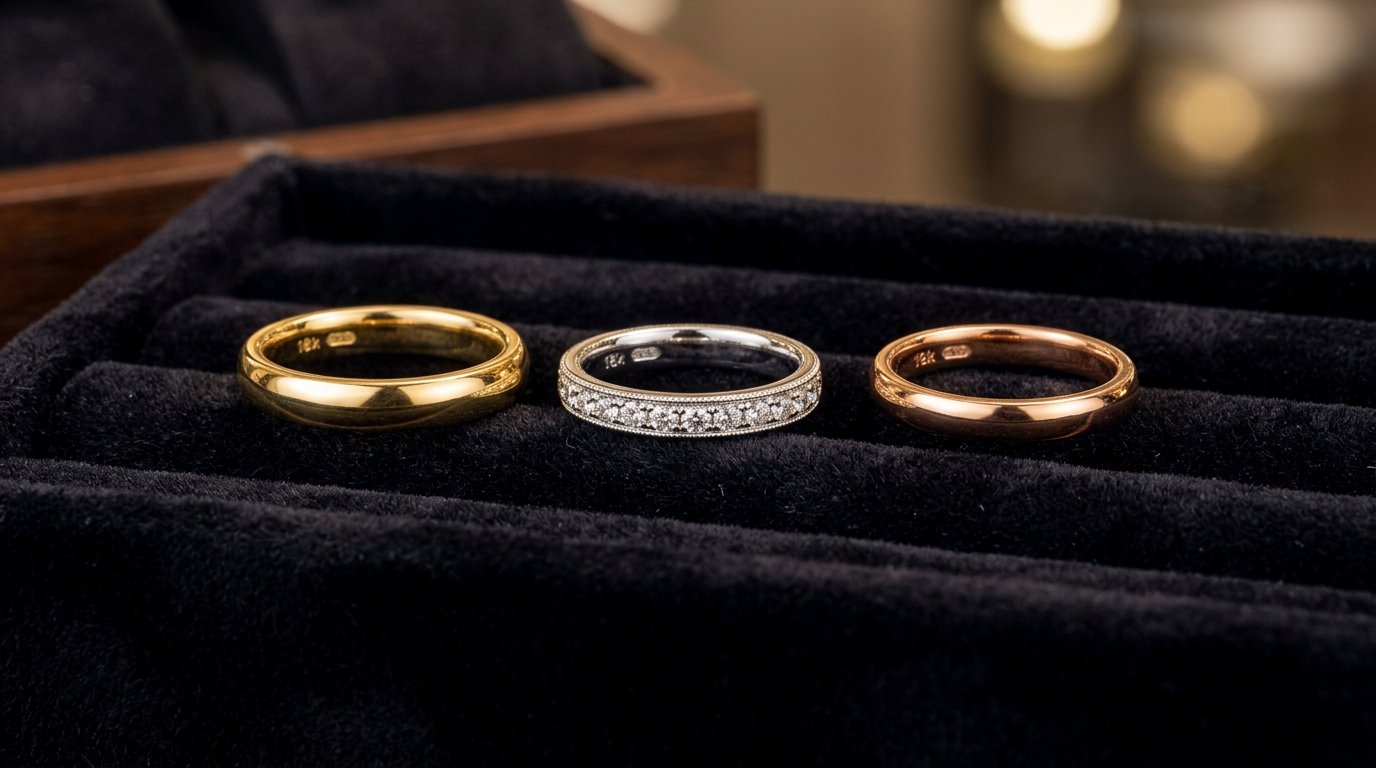
Yellow gold retains its traditional warm appearance. White gold is created by combining gold with other metals that produce a lighter colour, while rose gold gets its characteristic pinkish tone from a higher proportion of copper in the alloy.
Therefore, two pieces with the same karat rating can still have slightly different colour characteristics depending on their alloy composition and finishing.
How to Choose the Right Gold for Your Lifestyle
For Everyday Wear
Consider a gold alloy that provides a suitable balance between appearance and durability. 14K gold is a common choice for jewellery that is worn regularly.
For Special Occasion Jewellery
If the jewellery will mainly be worn for weddings, celebrations or other special occasions, you may prefer the richer gold content and appearance of 18K gold.
For a More Accessible Price
9K gold can be an option when keeping the overall jewellery budget lower is important while still choosing genuine gold jewellery.
Gold Jewellery Care Tips
Regardless of the karat you choose, proper care can help maintain the appearance of your jewellery.
- Remove jewellery before using harsh household chemicals.
- Avoid unnecessary contact with perfumes and cosmetic products.
- Store individual jewellery pieces separately to reduce scratching.
- Clean jewellery gently using suitable jewellery-cleaning methods.
- Have frequently worn pieces professionally inspected when appropriate.
Final Thoughts
Choosing between 9K, 14K and 18K gold is ultimately about finding the right balance between gold content, appearance, durability and budget.
For everyday jewellery, 14K gold can offer a practical balance. 18K gold may be attractive to those who prefer a higher gold content and richer appearance, while 9K gold can be a practical choice for shoppers seeking affordability.
At Zarna Jewels, understanding the materials used in your jewellery can help you make a more confident purchase. Whether you are selecting an engagement ring, wedding band or a timeless jewellery gift, consider how the piece will be worn and choose the gold purity that best matches your needs.