
Tennis Bracelets in 2026: How to Choose, Wear and Care for a Lab-Grown Diamond Bracelet
Discover why tennis bracelets are a major 2026 jewelry search trend and learn how to choose the right diamond shape, setting, metal, fit and styling for everyday luxury.
Why Tennis Bracelets Are Having a Moment in 2026
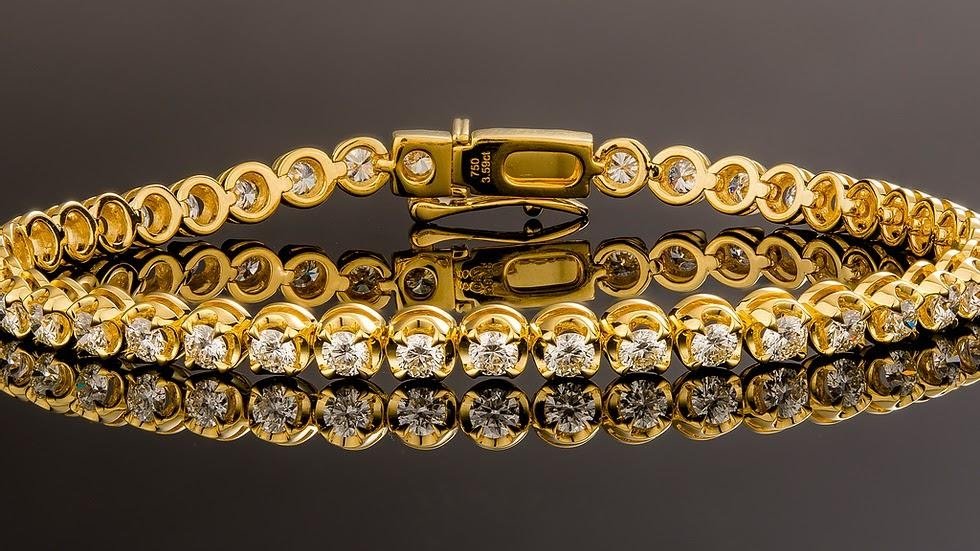
A tennis bracelet has a simple idea behind its enduring appeal: a continuous line of diamonds creates a clean, elegant rhythm around the wrist. It can look refined with an evening dress, polished with office tailoring, or surprisingly effortless with jeans and a shirt. In 2026, that versatility is helping the tennis bracelet move beyond the idea of being a special-occasion jewel.
Current public search data supports the renewed interest. A UK jewellery search report published in September 2026 recorded about 34,258 average monthly searches for “tennis bracelet” in the first half of the year, up 14.7% year over year. The same report found the term had relatively low SEO difficulty compared with several larger jewellery categories. Separate keyword data also shows meaningful demand across the USA, India, the UK and Australia. These figures are useful signals rather than guarantees of sales, but they point to a clear consumer question: how do you choose a tennis bracelet that feels luxurious, wearable and right for your budget?
For shoppers in India, the USA, UK, Germany, Australia and New Zealand, the answer starts with the details rather than the headline carat total.
What Is a Tennis Bracelet?
A tennis bracelet is a flexible bracelet made from a sequence of individually set gemstones, traditionally diamonds, arranged in a continuous line. The design is usually articulated so the bracelet follows the natural movement of the wrist.
The name became widely associated with tennis after professional player Chris Evert famously stopped play during a 1987 US Open match when her diamond bracelet broke and she wanted to find it. The style was subsequently popularized as the “tennis bracelet.” Today, you do not need to be a tennis fan to wear one. It is simply one of the most recognizable diamond bracelet silhouettes.
Why Lab-Grown Diamonds Work So Well in Tennis Bracelets
Because a tennis bracelet contains many individual stones, shoppers often pay close attention to total carat weight, consistency and overall sparkle. Lab-grown diamonds can give buyers more flexibility when comparing these specifications because they are diamonds with essentially the same crystal structure and optical properties as mined diamonds, while their production route is different.
At Zarna Jewels, our lab-grown diamond bracelets are offered in designs using CVD diamonds and multiple metal options. Certification and the exact specification of a bracelet still matter: shoppers should review the grading information, stone characteristics, metal purity and bracelet dimensions before buying.
Explore the Zarna Jewels tennis bracelet collection to compare different shapes and styles.
How to Choose the Right Diamond Shape
Round Brilliant
Round diamonds are the classic choice for a tennis bracelet. Their brilliant faceting creates lively sparkle and a consistent visual pattern. If you want a timeless bracelet that will work with many outfits, round is an easy starting point.
Emerald Cut
Emerald-cut diamonds create a more architectural look. Their step-cut facets produce flashes and reflections rather than the busy sparkle of a brilliant cut. They suit shoppers who prefer understated, contemporary luxury.
Princess Cut
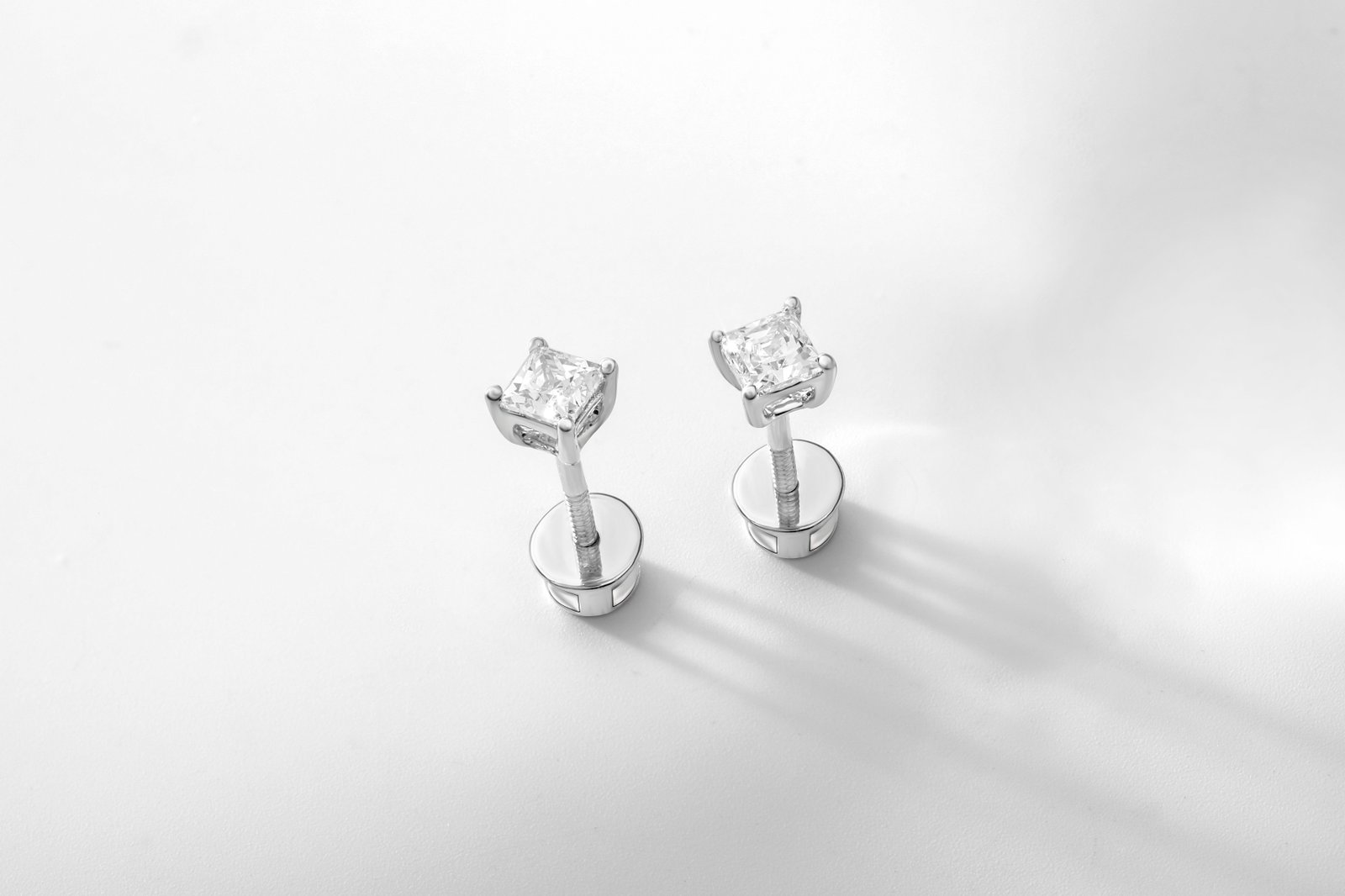
Princess cuts bring a geometric feel to the traditional line bracelet. The square outline can make the design look sharper and more modern.
Mixed and Alternative Shapes
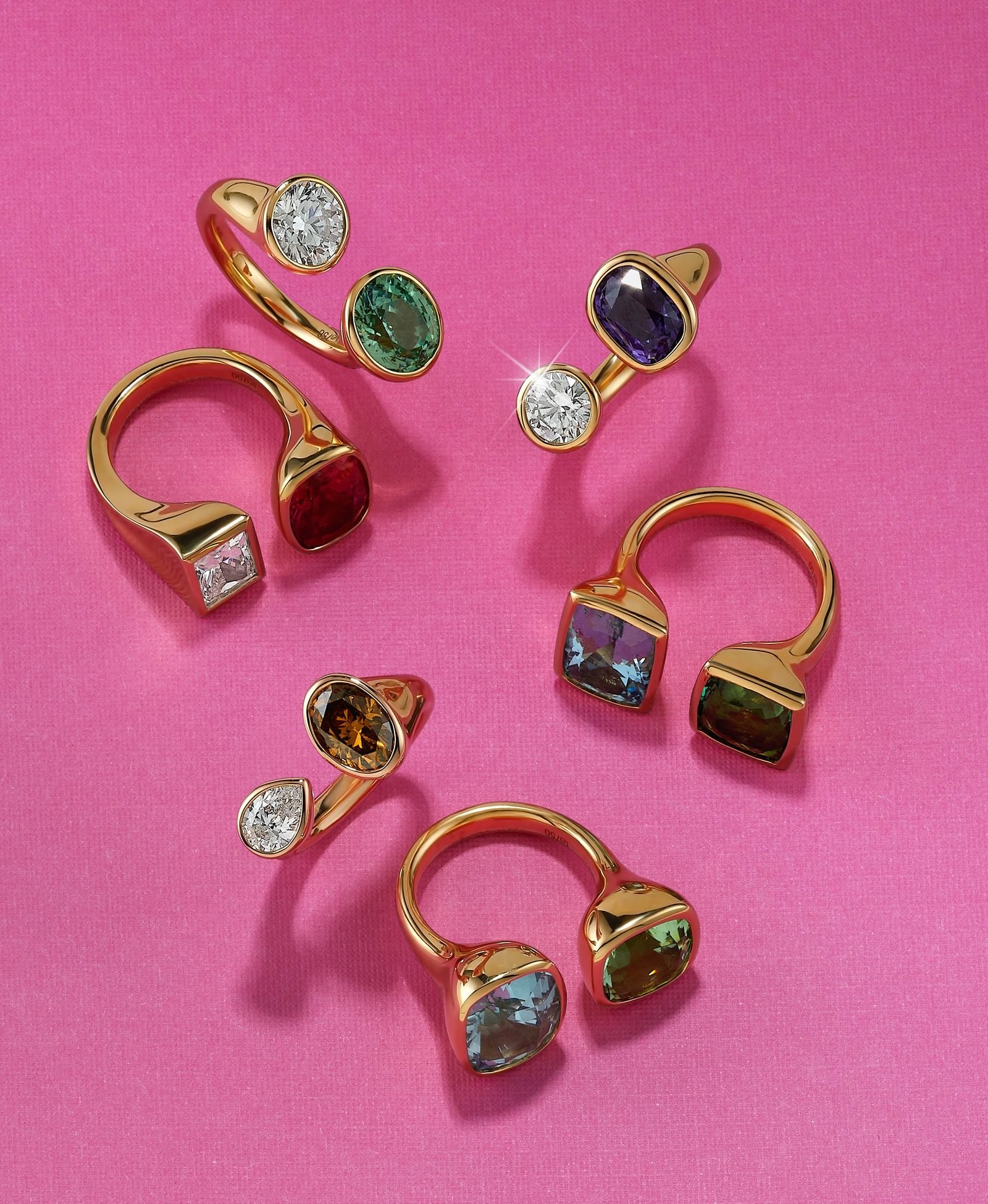
2026 is also seeing more experimentation with pear, marquise, cushion and other shapes. Mixed-shape bracelets can make the classic tennis silhouette feel more distinctive. If you prefer a traditional look with a modern twist, an alternating or multi-shape design is worth considering.
Prong or Bezel Setting: Which Is Better?
There is no universally best setting. Prong settings allow more of the diamond to remain visually exposed and are strongly associated with the classic tennis-bracelet look. Bezel-style settings surround more of the stone with metal and can create a sleek, protected appearance.
If you are buying for frequent wear, consider how the bracelet will interact with clothing, watches, desks and other jewelry. A lower-profile design can be easier to live with. If maximum traditional sparkle is your priority, a well-made prong setting remains a compelling choice.
Choosing the Metal
The metal changes the personality of a tennis bracelet as much as the diamond shape. White metals create a cool, seamless backdrop for colourless-looking diamonds. Yellow gold adds warmth and contrast. Rose gold creates a softer, contemporary effect.
Zarna Jewels offers tennis bracelet designs in 925 silver as well as 10K, 14K and 18K gold options on selected designs. When comparing metals, look at purity, durability, colour preference and how the bracelet will coordinate with the jewelry you already own.
How to Get the Right Tennis Bracelet Size
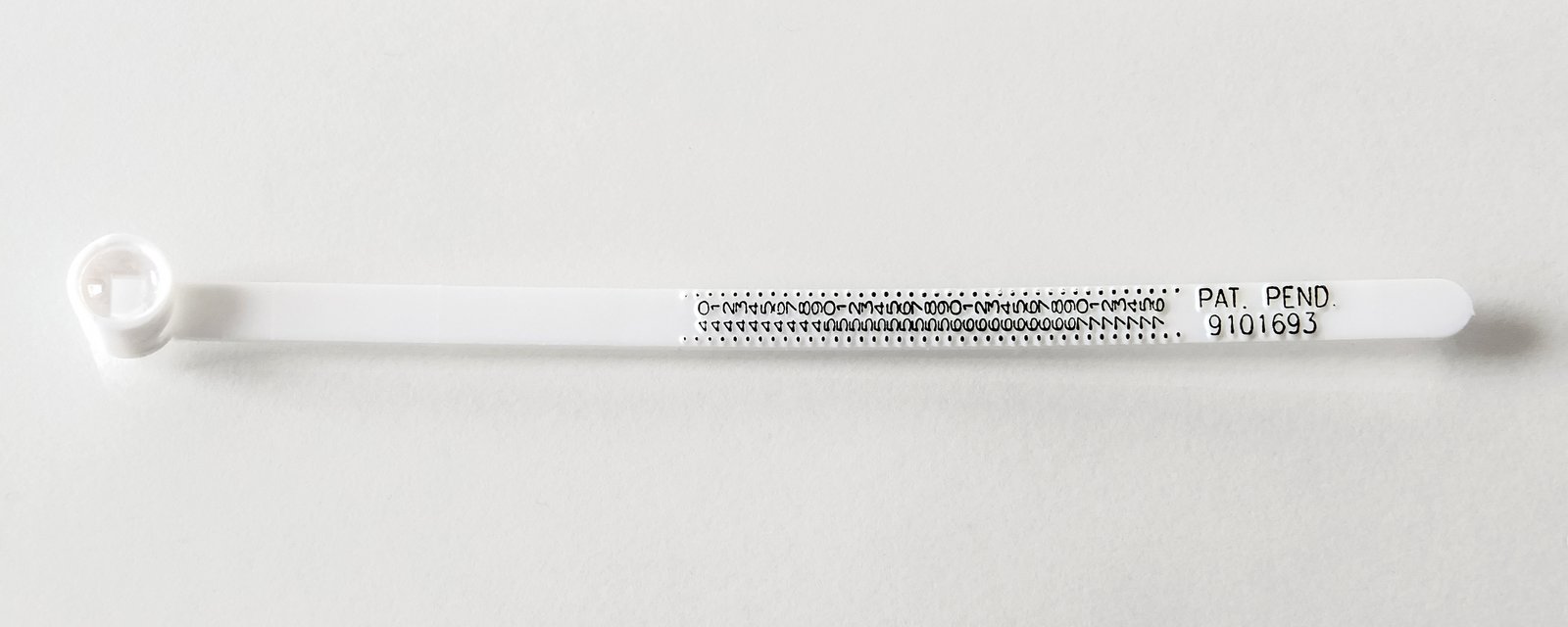
A tennis bracelet should feel secure without being painfully tight. Measure the wrist where you intend to wear the bracelet and compare that measurement with the seller's sizing guidance. Remember that a bracelet containing many articulated links needs enough room to move naturally.
For a gift, an existing bracelet can provide a useful reference. If you can discreetly measure a bracelet that fits the recipient well, use that as a starting point rather than guessing from height or general body size.
How to Style a Tennis Bracelet in 2026
Wear It Alone
A single tennis bracelet can be the most luxurious option because there is nothing competing with its continuous line of sparkle. This is especially effective with a simple watch or a clean outfit.
Create a Bracelet Stack
Layering is one of the strongest directions in contemporary jewelry styling. Pair a slim tennis bracelet with a delicate gold chain bracelet, a simple bangle or another understated piece. Mixing textures can make the stack look intentional instead of crowded.
Mix Metals Carefully
You do not have to match every metal in your jewelry collection. A white-gold or silver-toned tennis bracelet can work with yellow-gold rings and necklaces. Repeating one metal elsewhere in the look can help the combination feel cohesive.
Match the Occasion
For weddings and formal events, a fuller diamond line can create a statement. For work, travel and everyday wear, a slimmer profile may be easier to manage. The best bracelet is the one you will actually wear.
What Should You Look for Before Buying?
- Diamond consistency: Check that the stones are reasonably matched in colour, cut and appearance.
- Setting quality: Inspect how securely the diamonds are held and how smoothly the links articulate.
- Certification: For higher-value diamond jewelry, understand what certification or grading documentation is supplied.
- Metal purity: Confirm whether the bracelet is 925 silver, 10K, 14K or 18K gold and check the product specification.
- Clasp security: A dependable clasp is essential because a tennis bracelet contains many small components and is easy to lose if it opens unexpectedly.
- Length: Choose a size that is secure but allows comfortable movement.
- After-sales support: Ask about resizing, repairs, cleaning and warranty or service policies before purchase.
How to Care for a Diamond Tennis Bracelet
Diamond jewelry still needs sensible care. Remove a tennis bracelet before activities where it can receive heavy impact, become caught or be exposed to harsh chemicals. Store it separately from pieces that could scratch the metal or snag the links.
For routine cleaning, follow the manufacturer's instructions. A soft jewelry cloth and appropriate gentle cleaning method can help remove everyday residue, but avoid experimenting with strong household chemicals. Periodically inspect the clasp and settings. If a stone appears loose or a link looks damaged, stop wearing the bracelet until it has been checked by a qualified jeweler.
Is a Tennis Bracelet a Good Everyday Luxury?
For many buyers, that is exactly the attraction. Unlike a bracelet designed only around a particular event, a tennis bracelet can move between occasions. The key is selecting a size, setting and metal that suit your lifestyle rather than choosing solely by total carat weight.
The current search trend is also part of a broader change in how consumers approach fine jewelry. Public search data suggests shoppers are becoming more specific: instead of searching only for “bracelet,” they are looking for defined styles such as “tennis bracelet,” while demand for versatile diamond pieces remains strong. That makes the tennis bracelet a useful example of modern luxury: recognizable, personal and adaptable.
Explore Tennis Bracelets at Zarna Jewels
Zarna Jewels offers lab-grown CVD diamond tennis bracelets in classic and contemporary silhouettes, with options including round, emerald, princess and other diamond shapes. Selected designs are available in 925 silver, 10K, 14K and 18K gold.
Browse the Tennis Bracelet Collection or explore all Zarna Jewels bracelets to find a style that fits your wardrobe and occasion.
Whether you choose a slim everyday line or a more substantial statement design, focus on craftsmanship, fit, stone quality and secure construction. A well-chosen tennis bracelet should not only sparkle when you first open the box; it should continue to feel effortless every time you wear it.
Search-trend figures referenced in this article are directional public-market signals and can vary by platform, country and measurement period. Product specifications, availability and pricing should be confirmed on the relevant Zarna Jewels product page before purchase.